Start with set-back and line-of-sight
If the base can park on a pad, lot, or stabilized fill and point directly at the task, a straight boom supplies efficient reach. Measure the horizontal distance from the machine’s likely position to the work face, not just the final height. Confirm there’s room for the boom to telescope without contacting protrusions.
Akron terrain and weather considerations
Local slopes and uneven lots influence tire choice and drive configuration. On hilly ground or mixed gravel, rough-terrain packages typically improve traction and positioning. Winter freeze–thaw cycles can soften surfaces; plan for ground bearing capacity at staging pads and access roads. For cold-season projects that shift indoors, an electric scissor or vertical mast may be more practical for slab-only work.
Dimensions that define the class
- Required platform height and horizontal outreach: Use both numbers to pick a size band.
- Jib and platform articulation: Even with a straight boom, a jib can improve final positioning at the work face.
- Chassis width and weight: Verify transport lane widths, gate openings, and soil support at the staging area.
- Swing radius and counterweight clearance: Account for parked vehicles, fencing, or materials stacks common around distribution buildings.
When a different aerial makes sense
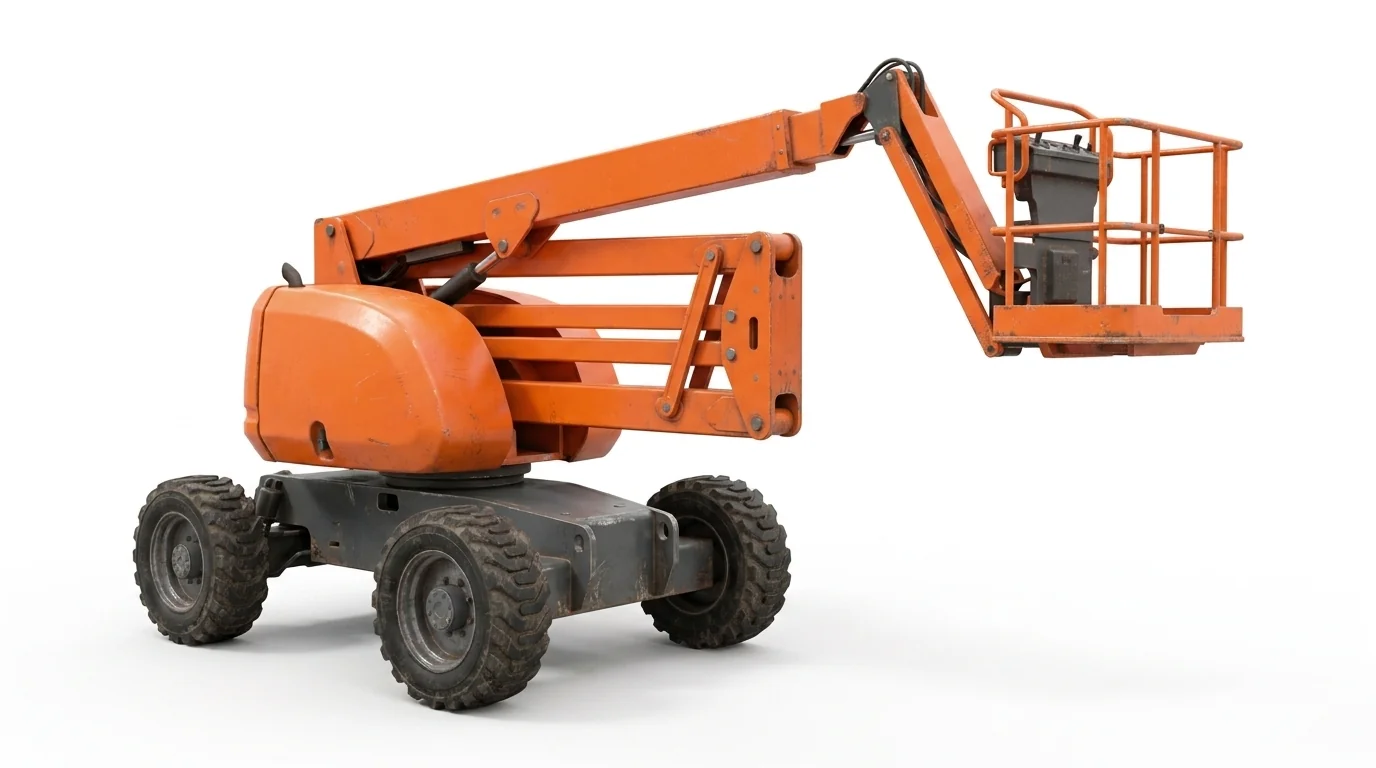
- Need to reach over pipe racks, roof parapets, or canopies? Consider an articulating model at /articulating-boom-lift-rental/.
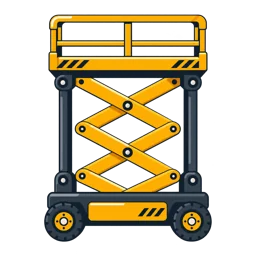
- Tight indoor service with low emissions needs may align with slab lifts at /electric-scissor-lift-rental/.
- Material pick-and-place to elevated decks could call for a handler at /telehandler-rental/.
Actual conditions, the machine’s instructions, and site procedures govern all elevated work.
Planning for local projects
Redevelopment sites and industrial expansions around Akron can have variable ground. Verify compaction and pad stability before assuming the boom can sit at full outreach. Coordinate access with other trades and deliveries typical of active logistics yards.