Define the lift scenario first
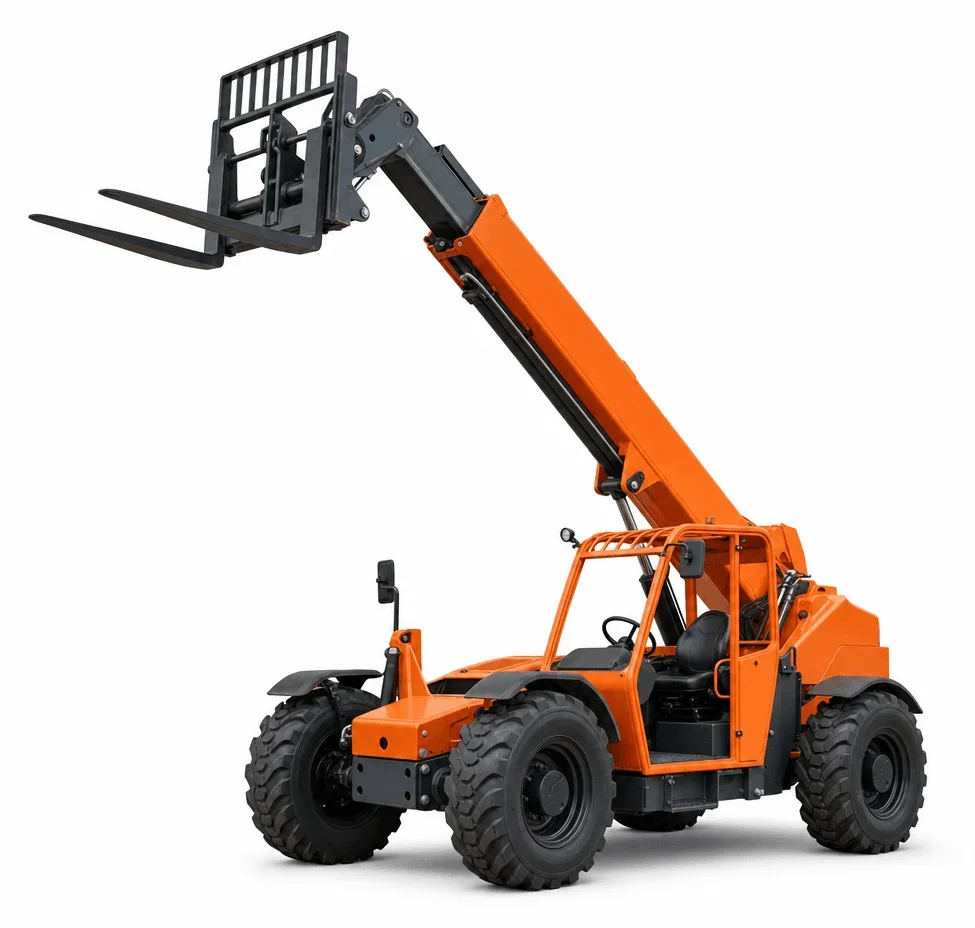
Start with where the machine will stand relative to the landing. Note the placement height, the horizontal distance from the tires to the drop point, and typical load weights. Load charts change as the boom extends, so forward reach at height is the key constraint.
Akron jobsite influences
Hilly ground, curb cuts, and gravel access around new builds favor rough‑terrain drivetrains and larger tires. Winter conditions can push staging into sheltered areas; confirm turning room near doors and dock aprons at local distribution buildings. For interior picks on finished slab, a forklift may handle the task more efficiently; see /forklift-rental/.
Measurements that narrow the class
- Maximum placement height and forward reach: These determine size category.
- Typical load type: Pallet dimensions and center of gravity affect stability and carriage selection.
- Chassis width and overall height: Check gates, scaffolds, and temporary fencing clearances.
- Ground bearing and approach: Assess soil or aggregate pads where the machine will sit under load.
Related equipment paths
- For personnel access to install or bolt items after placement, compare /telescopic-boom-lift-rental/ or /articulating-boom-lift-rental/.
- For indoor pallet work and truck loading on slab, see /forklift-rental/.
Actual conditions, the unit’s instructions, and site procedures govern any lift with suspended loads.
Local planning notes
Redevelopment parcels can have mixed subgrade and remnants of old pavements. Validate support where the machine will extend under load, and map travel routes that avoid steep cross‑slopes between laydown and structure.