Site grade and base condition
- Containers sit best on firm, level pads. On sloped lots, plan for a level placement zone so doors align and seal.
- Winter ruts and plowed snow can limit truck approach. Identify a cleared path and a pad that drains to keep doors from binding against ice.
Access patterns in industrial and logistics yards
- If the box supports indoor maintenance, check whether the loading path crosses thresholds, ramps, or overhead obstructions.
- For distribution yards, consider side clearance for forklifts and telehandlers turning with pallets. A wider apron around the door end reduces congestion.
Size, door type, and interior use
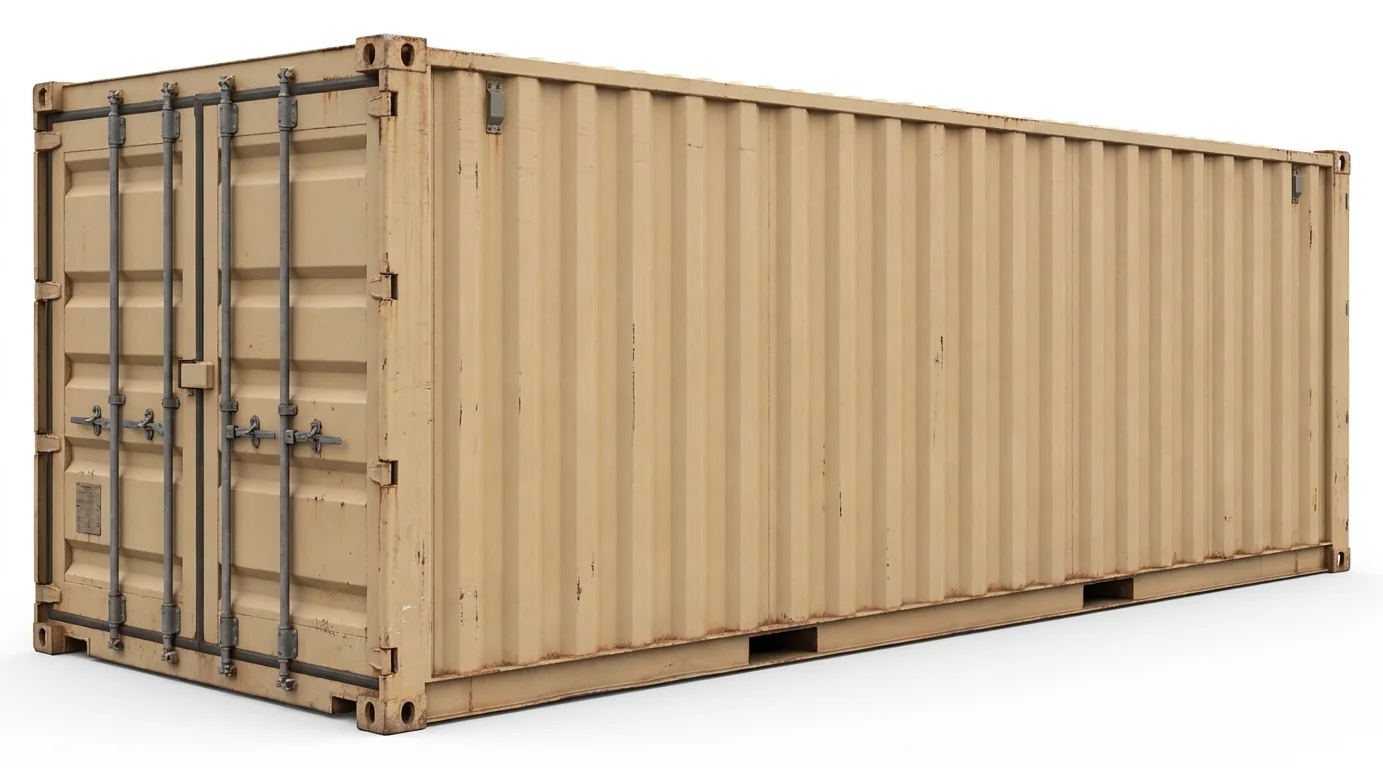
- Longer containers maximize volume but need more straight-line delivery distance on sloped sites. Shorter units maneuver into tighter alleys.
- Roll-up or double-door configurations matter when staging parts for aerial work. Match door type to how crews load from /forklift-rental/ or /telehandler-rental/.
Security and weather exposure
- The regional climate brings snow and freeze–thaw moisture. Weather-resistant seals and intact floors help protect sensitive materials for polymer and manufacturing tasks.
- If containers sit below grade relative to the yard, confirm drainage so meltwater does not collect at the door end.
Coordinating with lift and platform work
Containers often feed parts and tools to elevated tasks: - Smooth indoor slab work: /electric-scissor-lift-rental/ - Graded exterior sites: /rough-terrain-scissor-lift-rental/ - Complex reach around equipment: /articulating-boom-lift-rental/
Actual conditions, the selected unit’s instructions, and site procedures govern exterior and elevated work near containers.