Start with the obstruction map
- What blocks a straight vertical approach—racking, mezzanines, roof edges, canopies, or utilities?
- How far must the platform reach horizontally to clear those elements and land at working height?
- Is there room to swing and rotate without striking nearby structures?
Articulating vs. telescopic in Akron
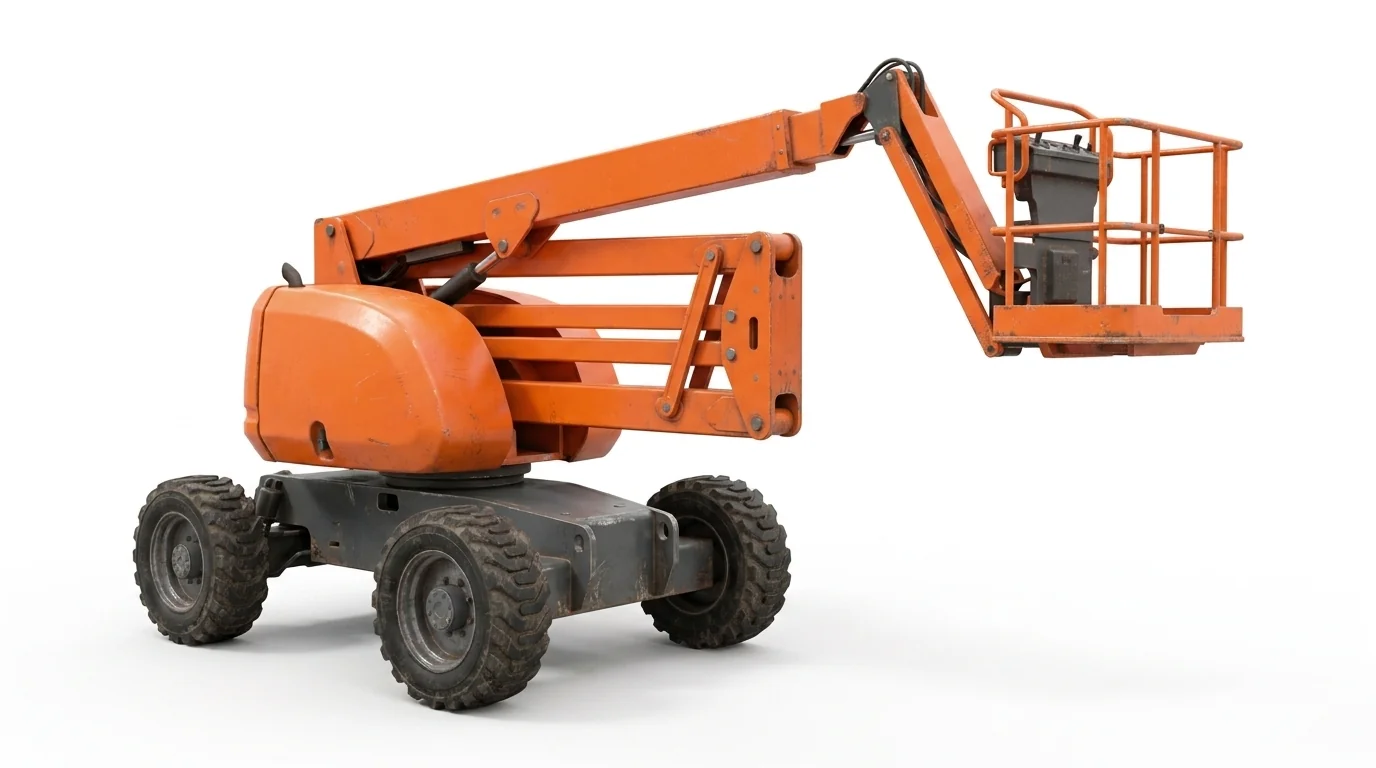
- Articulating booms: Multiple joints navigate up-and-over routes common in industrial interiors and around complex façades. They’re useful when space is tight and the approach path is irregular.
- Telescopic (straight) booms: Longer horizontal reach benefits exterior work where set-back from the building or obstruction is fixed, such as signage or steel from a stabilized pad.
Terrain and weather considerations
Hilly terrain around Akron can limit where a base can sit. Positioning a boom on stable, flatter ground and using outreach to span over slopes is often more practical than trying to level a vertical-only platform. Seasonal freeze–thaw affects traction and staging; actual site conditions and the unit’s instructions govern suitability.
Measurements to confirm
- Required working height and horizontal outreach to the furthest point
- Minimum gate and travel path width to the staging area
- Swing radius clearance around obstacles
- Platform capacity with tools or panels
Related categories
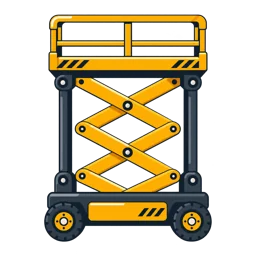
- If the lift can sit directly under the task on flat floors: /electric-scissor-lift-rental/
- For uneven exterior ground where vertical work dominates: /rough-terrain-scissor-lift-rental/
- Broader overview of aerial options: /aerial-lift-rental/
Discuss outreach, set-backs, and staging room at (330) 325-4725 to align boom type and size with Akron site conditions.