Three primary geometries
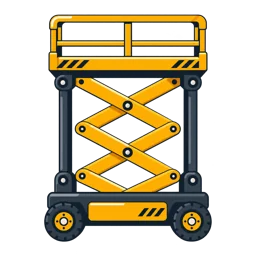
- Scissor lifts: Best for straight vertical access where the platform can sit under the task. See /electric-scissor-lift-rental/ for indoor slab units and /rough-terrain-scissor-lift-rental/ for exterior footing.
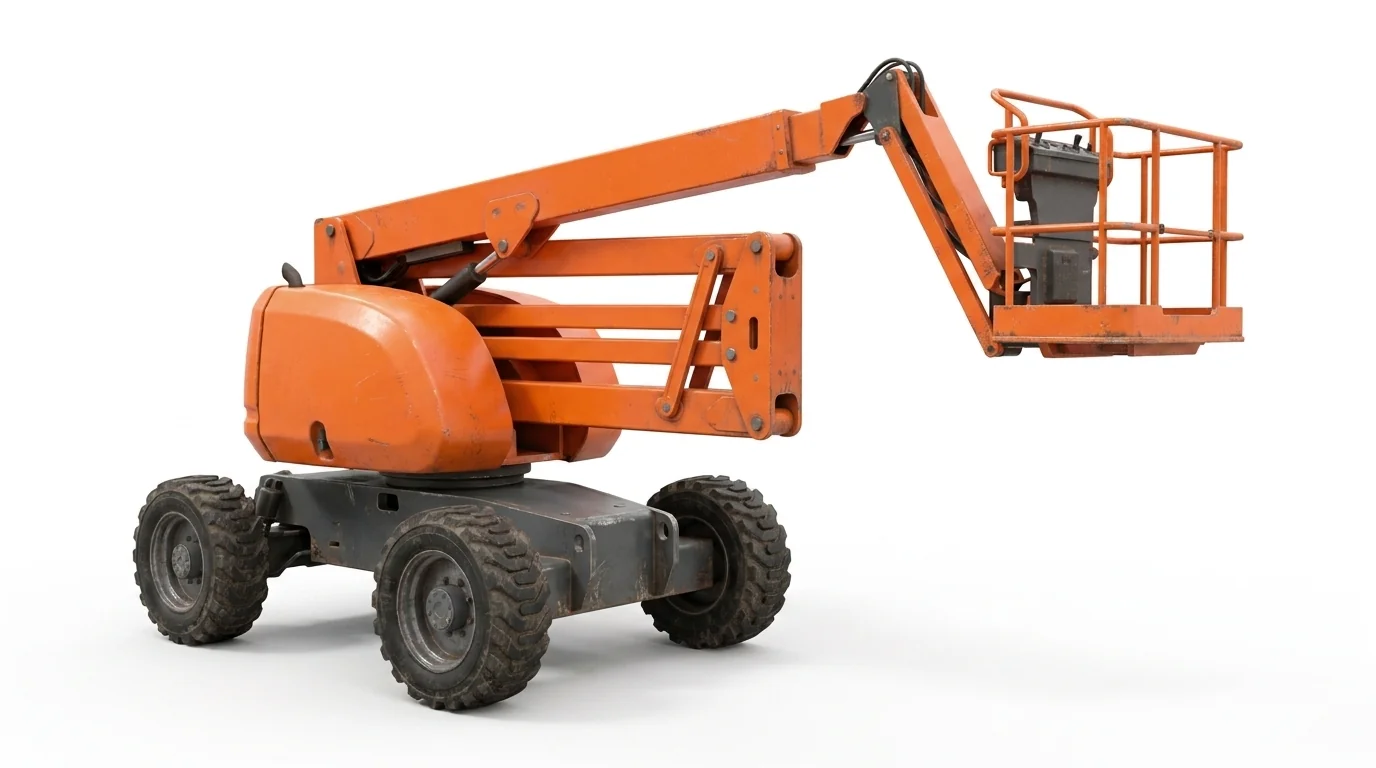
- Articulating boom lifts: Up-and-over access to reach behind obstacles, rooflines, or machinery. Compare at /boom-lift-rental/.
- Telescopic (straight) boom lifts: Long horizontal outreach to façades, signage, and steel from farther set-backs. Also see /boom-lift-rental/.
Local factors that change the comparison
- Terrain and grade: Hilly ground around Akron limits where vertical platforms can sit. Booms with outreach can work from stable positions away from slopes.
- Interior constraints: Door frames, mezzanines, and tight aisles push choices toward compact electrics for many industrial tasks.
- Weather timing: Winter conditions often shift exterior scopes to interior maintenance, increasing demand for slab scissor lifts and indoor-friendly booms.
Measurements that matter
- Working height and horizontal set-back from the task
- Narrowest doorway, aisle, or gate along the route
- Floor or ground conditions from staging to the work face
- Load needs on the platform, including tools and materials
Typical Akron applications
- Indoor lighting, utilities, and line changes in manufacturing spaces where emissions and noise are concerns.
- Racking, signage, and sensor work in local distribution buildings with narrow aisles.
- Exterior envelope access during commercial redevelopment phases on uneven lots.
Where to dig deeper
- Scissor comparisons: /electric-scissor-lift-rental/ and /rough-terrain-scissor-lift-rental/
- Boom specifics by task: /boom-lift-rental/
Discuss geometry and site constraints at (330) 325-4725 to align category and model to the job.