Start with job geometry
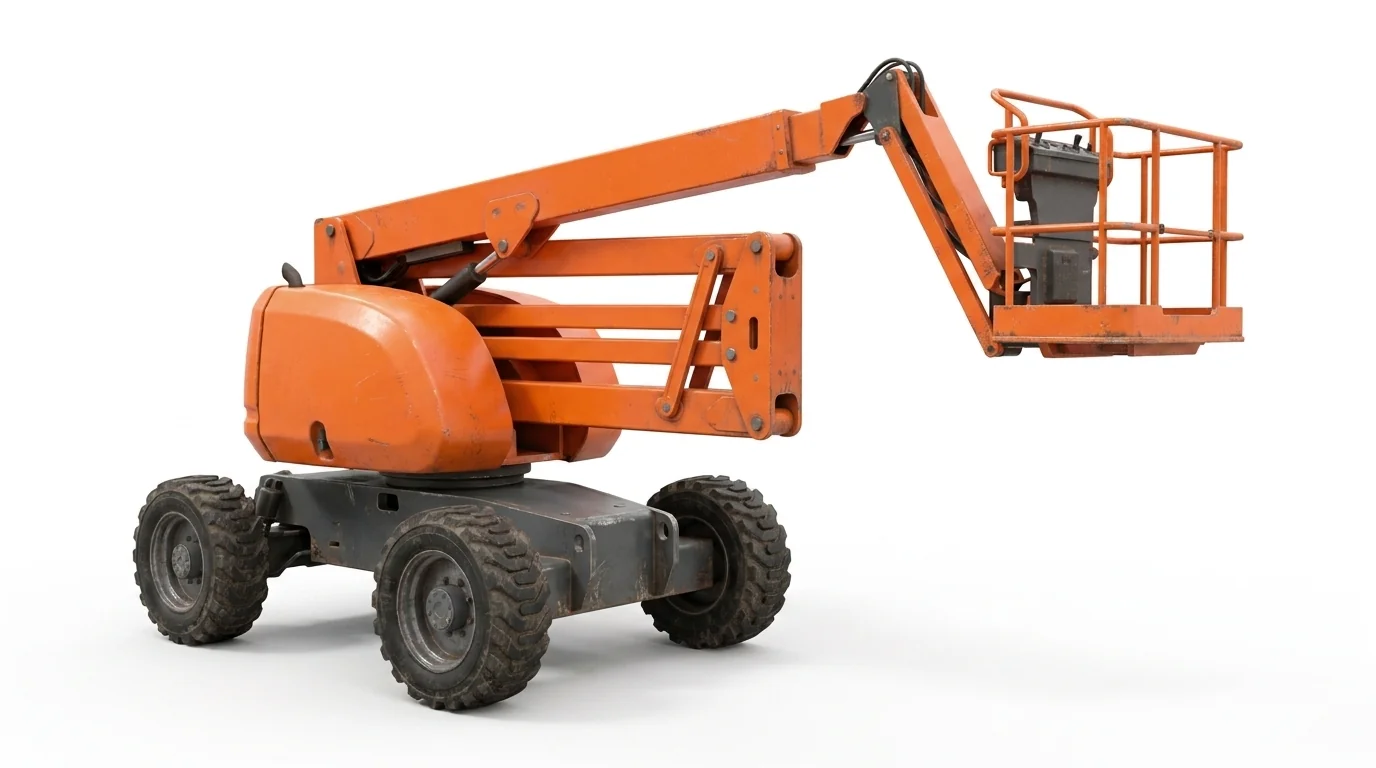
The key question is whether the base can sit below the task. If not, note the horizontal distance you must clear and the vertical height you must reach after clearing that obstacle. Articulating knuckles allow you to approach from the side, rotate, and position the platform in congested interiors or exterior areas with limited set-back.
Common Akron layouts that favor articulating booms: - Maintenance above production lines or mixers where floor access is blocked - Lighting or conduit work over racking in local distribution buildings - Signage and façade work where sidewalks, planters, or slopes limit base placement
How Akron conditions affect selection
Hilly terrain on the local plateau often means uneven approaches, curbs, and grade breaks between loading areas and work faces. For outdoor use, rough-terrain versions with four-wheel drive and more aggressive tires improve positioning on gravel or unfinished surfaces. Winter freeze–thaw cycles push more work indoors; electric articulating models reduce emissions and noise inside industrial facilities. Match tire type and power source to whether the job is indoors on finished slab or outside on variable ground.
Measurements that narrow the unit
- Platform height and up-and-over reach: List the vertical height, plus the clearance you need to get over pipe racks, mezzanines, or façade features.
- Envelope swing and tail clearance: Confirm there’s space to rotate near walls, columns, conveyors, or dock doors.
- Weight and floor loading: For mezzanines or elevated slabs, verify allowable point loads before committing to a size class.
- Access path: Measure door widths, ramp grades, and turning areas from the lot or yard into the work zone.
When a different lift fits better
- Straight, high exterior reach across open ground often points to a telescopic model. See /telescopic-boom-lift-rental/.
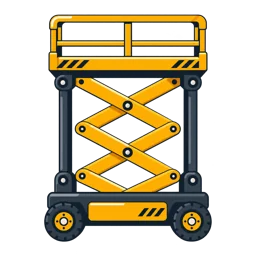
- Mostly vertical interior picks on smooth slab may be simpler with an electric scissor. See /electric-scissor-lift-rental/.
- Tight aisles with very small footprints sometimes suit a vertical mast. See /vertical-mast-lift-rental/.
Actual site conditions, the selected unit’s instructions, and job procedures govern any elevated work.
Planning next steps
Gather obstacle heights, set-back distance, floor condition, and expected weather window. For material placement needs in addition to personnel lifting, compare with /telehandler-rental/.