Begin with the rack and route
Confirm the top storage height, the narrowest aisle you must turn in, and the heaviest load you’ll place at that height. Then trace the route from the dock or production area to the racks—door widths, ramp grades, and intersections will drive truck class and tire choice.
Local facility factors
Many Akron interiors mix production lines with storage zones, so emissions and noise can matter; electric models fit enclosed spaces, while internal‑combustion units suit mixed indoor–outdoor shuttling. Winter weather pushes more handling inside, but dock aprons and covered yards may still require traction across damp surfaces.
Specs that narrow the choice
- Capacity at height: Use the load weight at its highest placement, not ground‑level weight.
- Minimum aisle width and turning radius: Determines whether a counterbalance, reach, or narrow‑aisle design fits.
- Mast collapsed height and overhead clearance: Check mezzanines, door headers, and sprinklers.
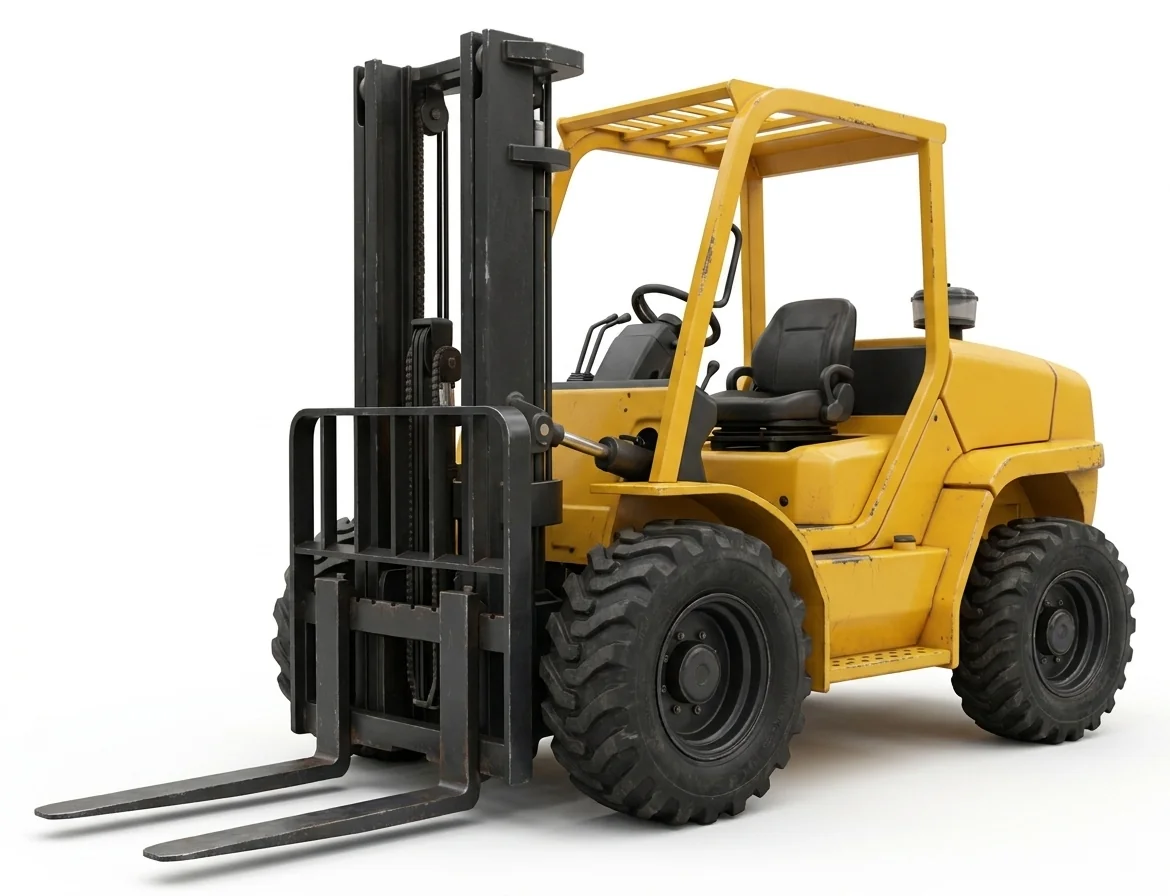
- Tire and power: Cushion tires for smooth interior floors; pneumatic or solids for mixed surfaces.
When other equipment fits better
- Exterior staging or placements beyond rack faces may call for /telehandler-rental/.
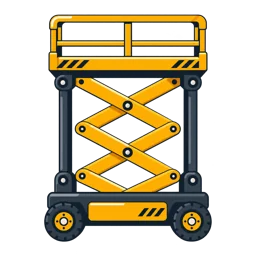
- Elevated personnel work is an aerial task; compare /electric-scissor-lift-rental/ or /articulating-boom-lift-rental/.
Actual conditions, the selected unit’s instructions, and site procedures govern all material handling.
Akron planning notes
Facilities serving advanced materials and logistics in the area often run crowded docks. Map turning zones, trailer positions, and battery or fuel service spots to avoid congestion during peak hours.